


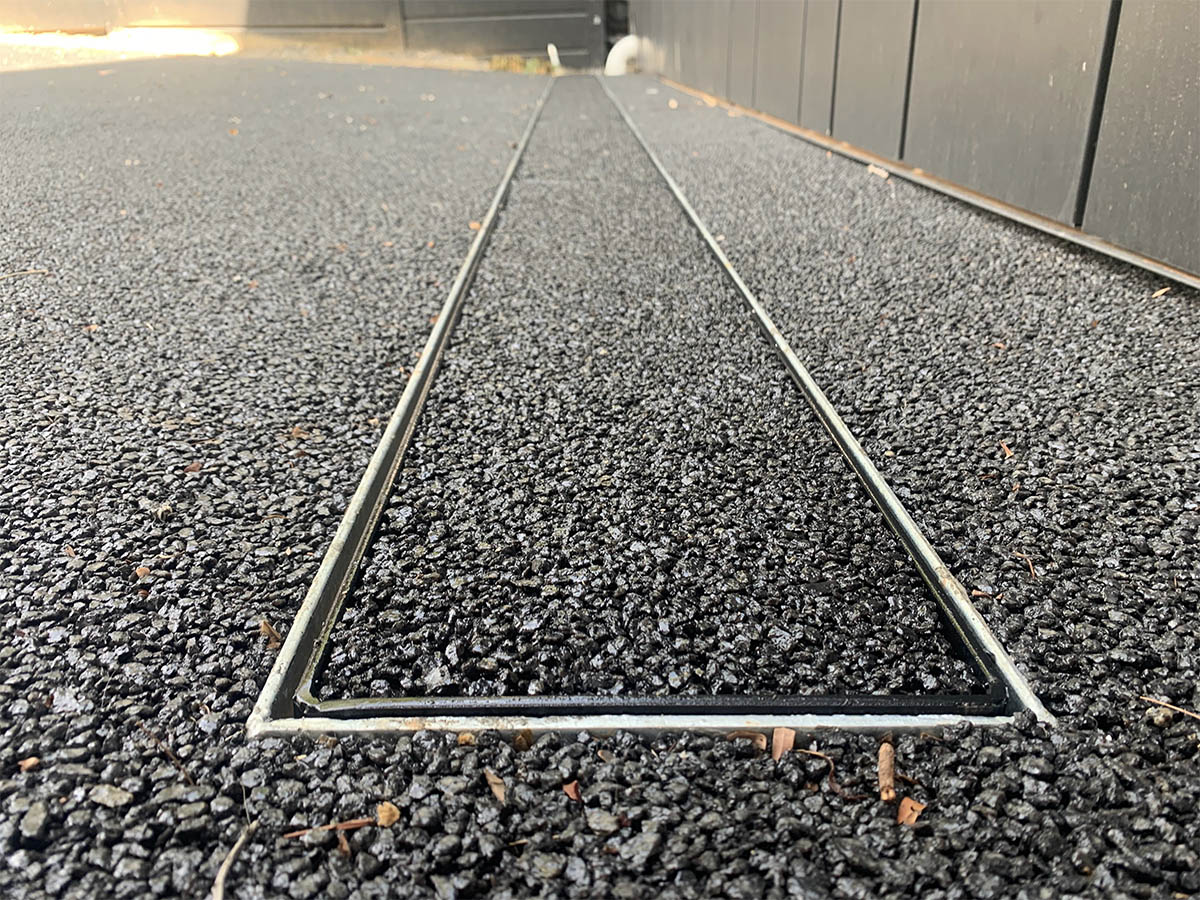
Urban areas are under pressure from stormwater runoff, heat retention, and ageing drainage systems. For councils, developers, and planners, surface design now plays a key role in performance, compliance, and maintenance.
A Permeable Footpath offers a practical solution that supports water management at ground level while still handling pedestrian and light service loads.
Unlike sealed surfaces that direct water into overloaded drainage networks, permeable concrete allows water to pass through the surface into underlying layers, helping urban areas manage rainfall more effectively.
1. Stormwater is Managed at the Surface
A Permeable Footpath reduces runoff by allowing rainfall to infiltrate through the pavement rather than remaining on the surface or entering stormwater systems immediately.
Key outcomes:
- Reduced surface water pooling during rainfall
- Lower demand for drainage systems
- Improved onsite infiltration into sub-base layers
- Better control during high-intensity rainfall events
- Reduced risk of localised flooding in footpath areas
2. More Balanced Urban Surface Conditions
In dense urban environments, sealed surfaces can contribute to heat retention and uncomfortable pedestrian conditions. Permeable concrete supports a more balanced surface response by allowing moisture movement through the pavement structure.
Benefits include:
Reduced surface heat build-up during peak temperatures
Improved pedestrian comfort in exposed areas
Less standing water after rainfall events
More stable surface moisture conditions over time
3. Alignment with Planning and Compliance Needs
A Permeable Footpath is commonly specified in projects where stormwater management and water-sensitive urban design expectations must be met. It supports infrastructure outcomes without major changes to surrounding drainage systems.
It supports:
- WSUD-aligned planning requirements
- Reduced reliance on large-scale drainage upgrades
- Easier integration into council infrastructure frameworks
- Flexible use across retrofit and new build projects
- Support for environmental planning conditions
This makes it suitable for both new developments and upgrades in established urban areas, with technical specifications available to support your project planning.
4. Strength Designed for Urban Use
When correctly designed and installed, permeable concrete provides reliable performance under pedestrian traffic and light service loads. Its effectiveness depends on correct sub-base preparation, mix design, and installation practices.
Key points:
- Suitable for footpaths, walkways, and civic spaces
- Designed for consistent pedestrian movement
- Performance linked to the correct structural base design
- Reduced surface deterioration from standing water
- Suitable for controlled load urban environments
5. Reduced Strain on the Surrounding Infrastructure
By managing water at the surface, permeable systems reduce the volume entering surrounding drainage networks. This can ease pressure on council infrastructure and extend the lifespan of adjacent paved areas.
Outcomes:
- Reduced runoff entering stormwater systems
- Less pressure on ageing drainage infrastructure
- Lower risk of water-related surface damage
- Improved performance of adjacent paved areas
- More consistent long-term asset condition