No puddles to walk around
Rain soaks through the surface where it lands, so you don't get a sheet of water sitting across the driveway after a downpour.
You're in the right place. Porous concrete is the surface rain soaks straight through, and we design, make and pour it across Australia.
If you searched for porous concrete, you've found the right material. Porous concrete, pervious concrete and permeable concrete all describe the same thing: a concrete surface with air gaps running right through it, so rain drains into the ground instead of running off the top. A normal slab is about 3–5% voids. Ours is 20–26%, which is why water disappears where it lands.
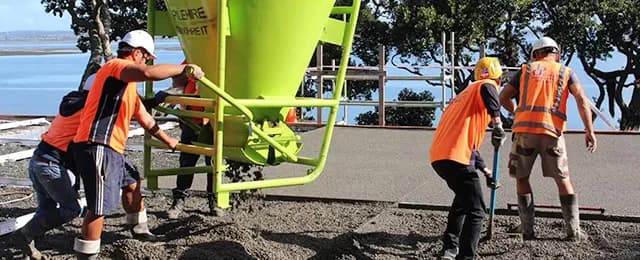
We're Australian Permeable Concrete. We design the mix, manufacture it and install it with our own crews under our Permcon system, so one team owns the result. There's more than 85,000 m² of it installed around the country, on driveways, paths, car parks and pool surrounds. We're certified to ISO 9001, 14001 and 45001, and our crews can lay 500 m² and more in a day.
Every block is different, so we don't guess. Book a free on-site assessment and we'll look at your ground, your fall and what your council asks for before anyone talks numbers.
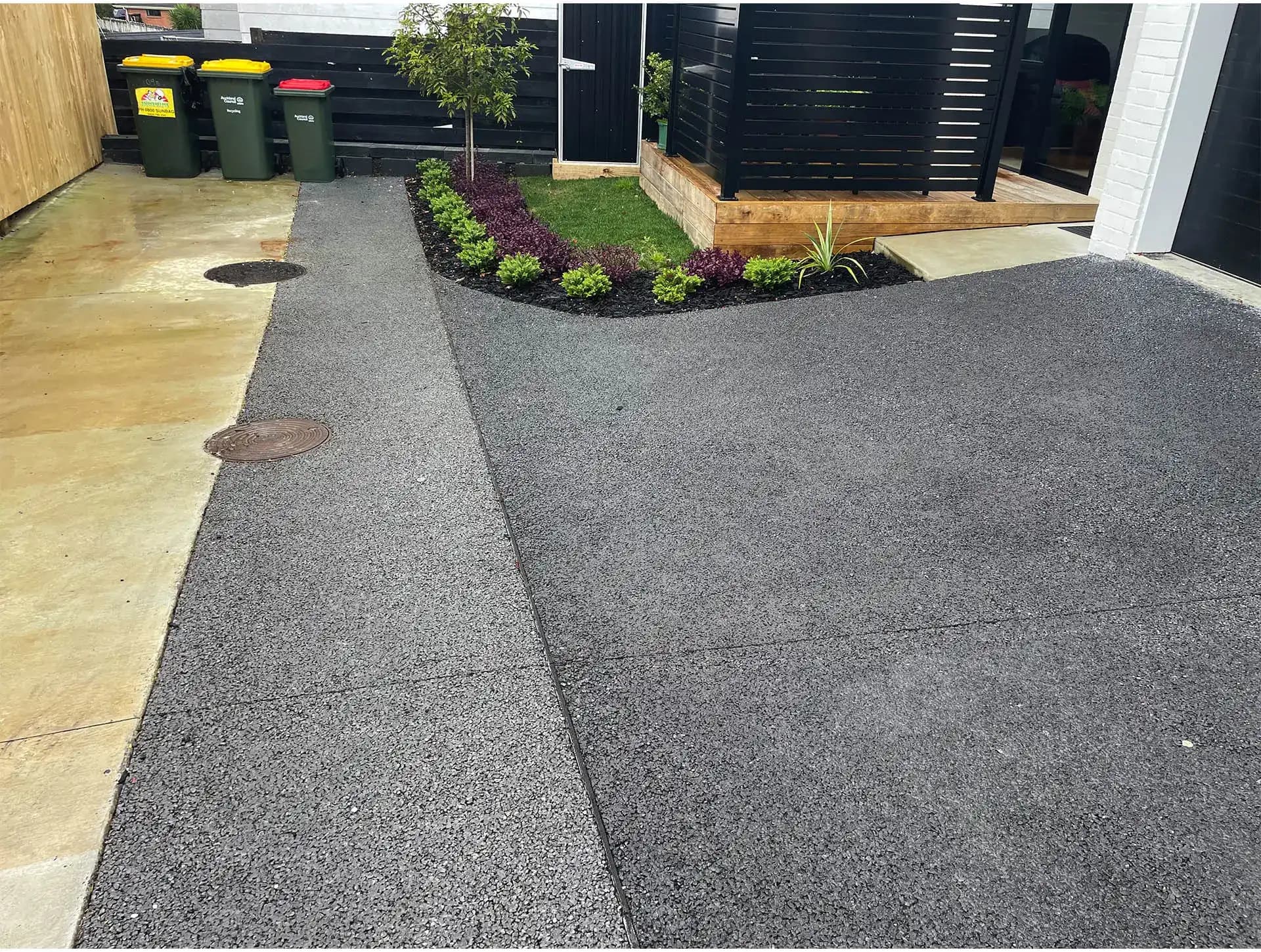
Rain soaks through the surface where it lands, so you don't get a sheet of water sitting across the driveway after a downpour.
Every square metre takes 130–170 litres a minute, so on most homes the surface handles the rain and the extra drainage hardware isn't needed.
The open texture is rated P4 for slip resistance, which matters most around pools, steps and a sloping driveway in the rain.
Rain goes down into the soil under the slab instead of racing across the kerb, taking your garden mulch and driveway grit with it.
A few quick questions about your site. You get a straight answer about whether permeable concrete is the right call, including when it isn't, before anyone asks for your details.
Get in touch today to discuss your project. We're here to help with all your permeable concrete requirements, from a single driveway to major civil infrastructure.
Yes. Porous, pervious and permeable all name the same no-fines concrete, and which word you hear depends on the builder, the engineer or the council you're dealing with. There's no difference in the material or the way it's poured. Ours is the Permcon system, designed, manufactured and installed by us.
We price it per site, not off a rate card, because the ground under the slab decides most of the job. Base depth, access for the truck, how much old surface has to come out and which finish you choose all move the number. There's a full breakdown of what drives the price on our permeable concrete cost page, then a site assessment turns that into a real figure.
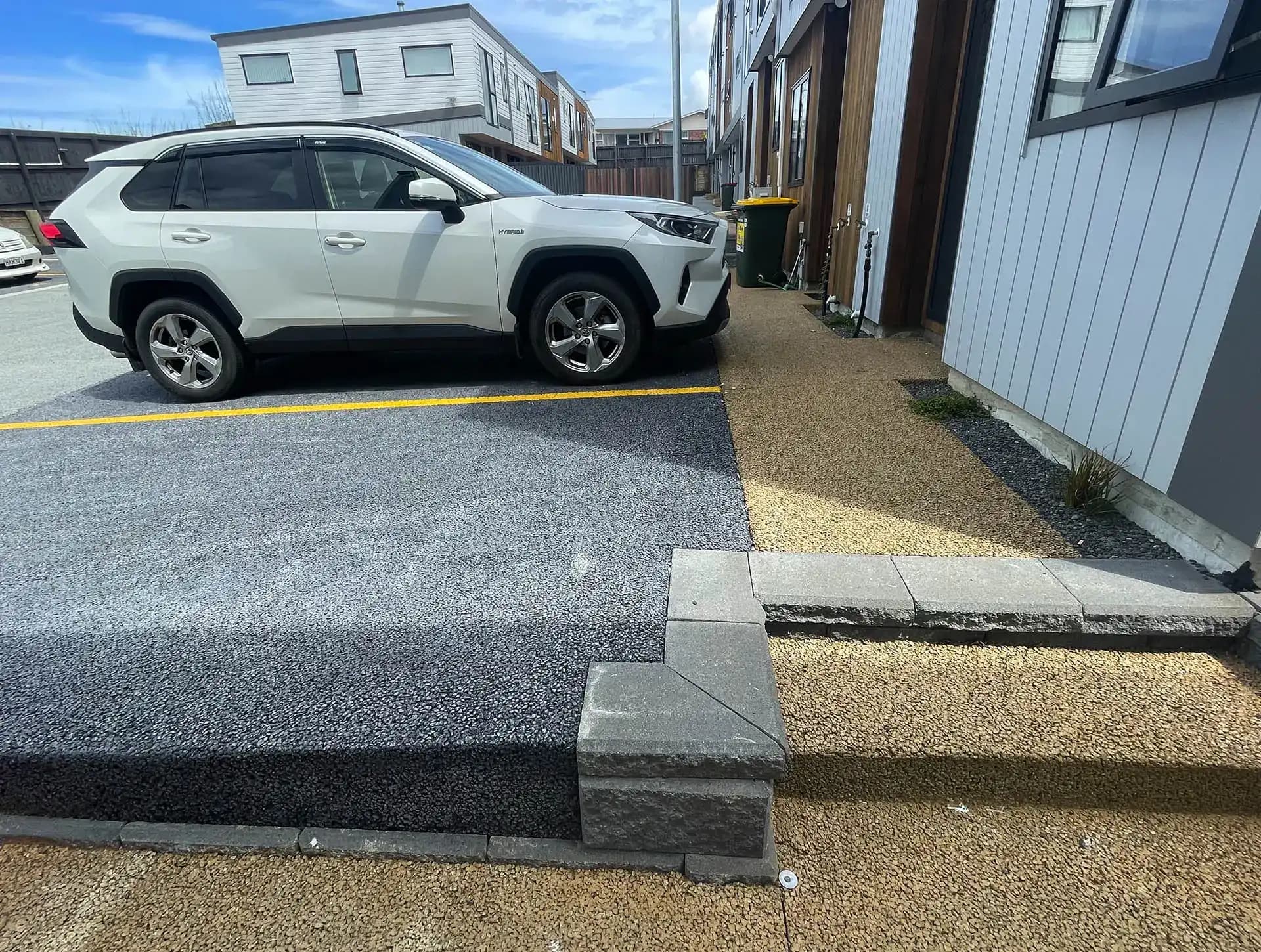
Yes. We pour driveway and car park work at 20–25 MPa, and 25 MPa and above where the surface is trafficked regularly, which covers domestic vehicles, a loaded 4WD and a van on the drive. Where it isn't the right answer is heavy, high-speed road pavement. If that's your situation, we'll tell you.
It can lose some of its drainage over time if it's never touched, because sediment and leaves gradually fill the surface voids. A vacuum sweep every year or so keeps it open, and a pressure wash brings back most of the capacity on a surface that's been neglected. It's maintenance, not a fault, and it's the one thing we ask owners to keep up.
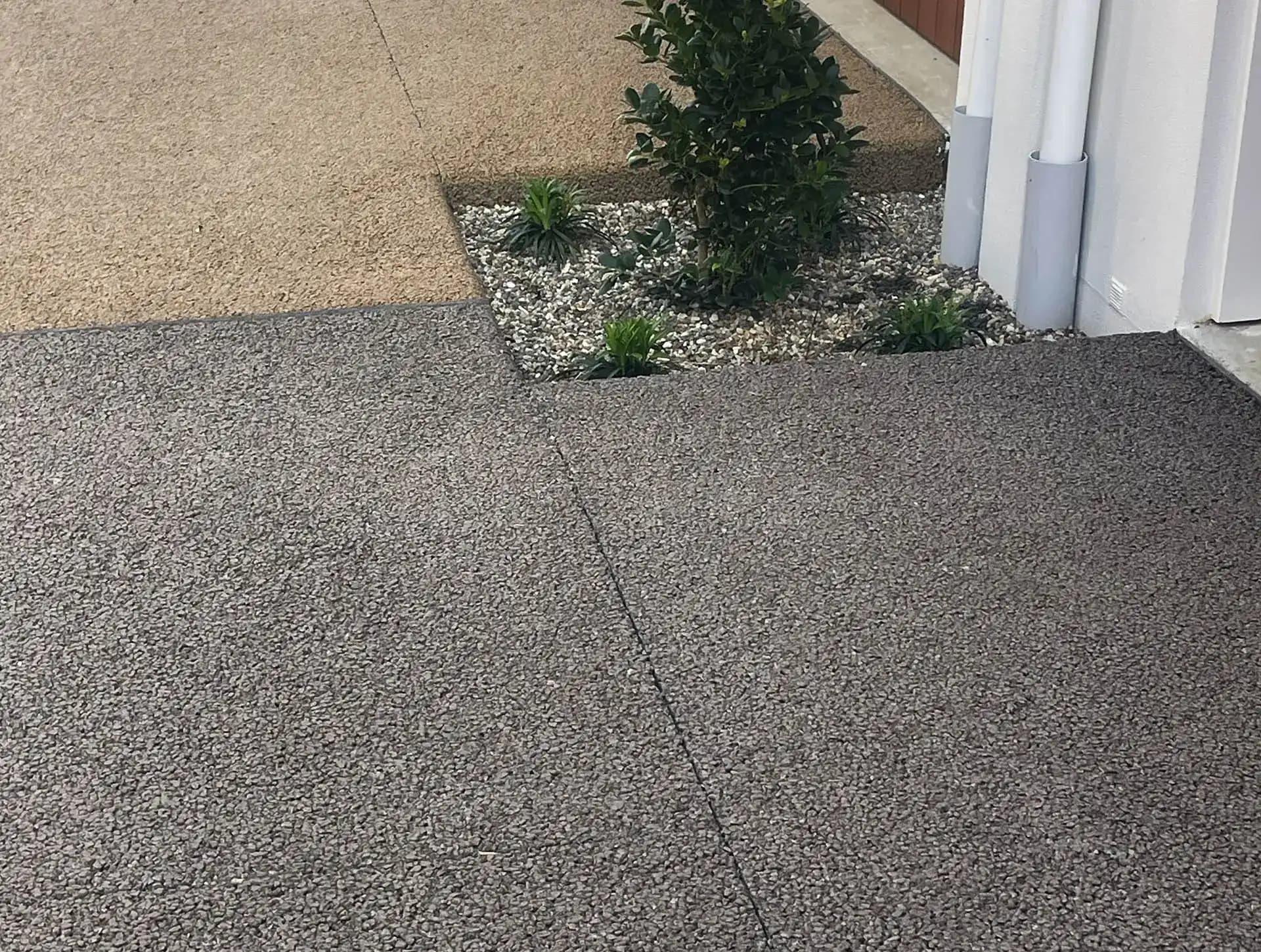
Up close it reads as an open, pebbly concrete rather than a smooth trowelled slab. That's the look most people want on a driveway, and there's room to move on it: standard Permcon in a range of tones, or an Ultracon finish if you want the surface to be a feature rather than a background. Pick the finish late in the process. It doesn't change how the water behaves.
Upkeep is light. Over the years fine dust and leaf litter work into the surface voids, and the fix is an occasional vacuum sweep, or a pressure wash if it's been left a long while. Never a rotary broom, because that pushes the debris further in. Looked after that way, the slab is designed to last 30 years and more, and it carries cars the whole time at 20–25 MPa, with 25 MPa and up where it's regularly trafficked.
Send us the address and what you want surfaced, and we'll come and look at the ground, the fall and the drainage before we quote anything. Same team designs it, makes it and pours it.